
SITASRM
Institute of Management And Technology
Student Learning
06 May
2025

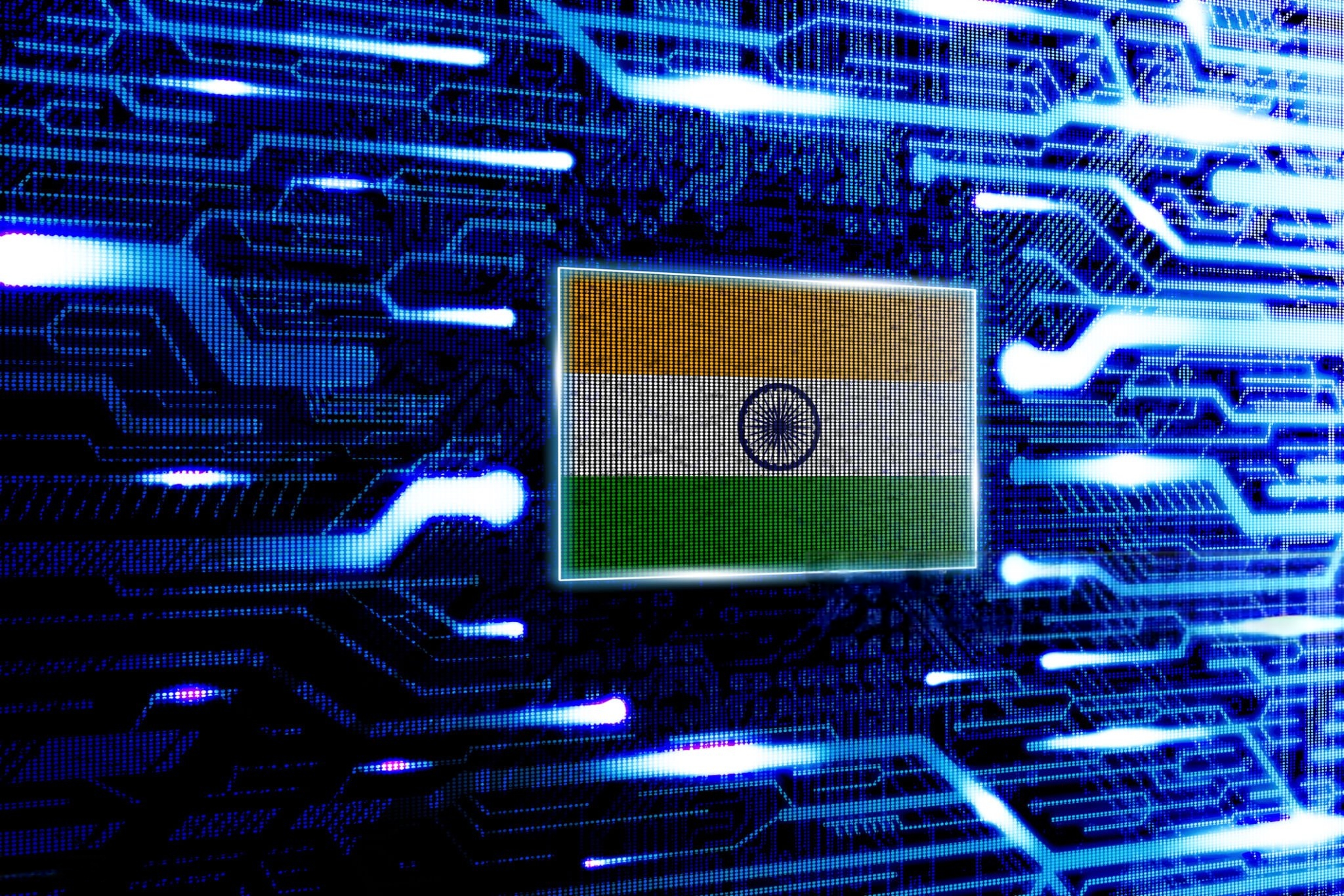
Digital Governance in India: Powering Transparent, Tech-Driven Public Systems
By Tripti Sharma | 06 May 2025

Explore how India is revolutionizing governance through digital innovation. From Aadhaar to AI-driven policymaking, discover how technology is shaping transparent, efficient public systems.

Introduction

"The real revolution is not in technology, but in how we use it to govern better."

Picture this: your grandparents used to stand in long queues for a simple government certificate. Today, with just a few taps on a screen, you can access services from tax filing to land records. Welcome to the world of digital governance in India, where democracy meets technology and convenience replaces chaos.

India is not just adapting to digital governance — it’s leading a transformation. From the Aadhaar digital ID system to online grievance redressal platforms, digital initiatives are being embedded across all layers of government. This blog explores how India is navigating this digital revolution, the types of e-governance models in place, the challenges it faces, and how it plans to improve institutional resilience through modern IT governance.

What Is Digital Governance in India?

At its core, digital governance in India refers to the use of technology—particularly the internet, mobile apps, and big data—to deliver government services efficiently, transparently, and inclusively. It’s about empowering citizens, streamlining processes, and making public administration smarter.

The government’s flagship program Digital India, launched in 2015, aims to ensure that public services are digitally accessible to all. Today, projects like DigiLocker, BHIM UPI, CoWIN, and MyGov reflect how digital governance touches everything—from healthcare and finance to education and civic engagement.

The 4 Types of E-Governance You Should Know

Yes, e-governance isn’t just one system. It’s a four-fold framework designed to enhance interaction among key stakeholders:

  1. Government to Citizen (G2C): Online bill payments, tax returns, voter ID registration—citizens interact directly with digital platforms.

  2. Government to Business (G2B): Licenses, permits, and compliance systems are digitized, making the environment more business-friendly.

  3. Government to Government (G2G): Internal efficiency is boosted through digital data sharing among departments (e.g., state to central).

  4. Government to Employees (G2E): Employee services like payroll, benefits, and HR processes are increasingly digitized for efficiency.

These types ensure a 360-degree transformation of how government services operate.

Why Digital Governance in India Matters

India is a vast, diverse country with over 1.4 billion people. Reaching everyone through traditional bureaucracy is nearly impossible. Digital governance in India democratizes access, enhances efficiency, and reduces corruption. It’s a great equalizer—helping a villager in Ladakh get the same access as a professional in Bengaluru.

How India is Building Digital Trust

Digital trust is the foundation of any digital governance framework. Initiatives like e-signatures, biometric verification through Aadhaar, and blockchain pilots are helping citizens feel more confident in using digital public services.

Additionally, policies such as the Personal Data Protection Bill aim to ensure citizen data is used ethically and transparently.

What Makes India’s Digital Governance Unique?

  • Scale: India has the largest biometric ID system (Aadhaar).

  • Innovation: CoWIN showed how vaccination can be scaled using tech.

  • Public-Private Partnerships: Collaborations with tech giants support rapid deployment.

  • Global Recognition: India's digital governance models are now being studied and replicated by other countries.

What’s Next for Digital Governance in India?

As India continues to expand 5G, develop its India Stack, and push digital infrastructure in rural areas, the next phase of digital governance looks promising. Future goals include:

  • Expanding AI for policy-making

  • Integrating blockchain for document verification

  • Enhancing accessibility for differently-abled and digitally-excluded communities

Digital Governance in Public Administration

A revolution is underway in public administration through digitization. Ministries and local bodies are using tools like e-office platforms, GIS mapping, and real-time dashboards to make decisions faster and based on real data.

For example, the Aarogya Setu app, developed during the COVID-19 pandemic, showcased how public health administration could be digitized for mass use. Similarly, the National Land Records Modernization Program (NLRMP) digitizes land ownership, reducing fraud and improving citizen trust.

Common Problems with Digital Governance

Let’s not sugarcoat it—digital governance has its pain points too:

  • Digital Divide: Not all citizens have smartphones, internet access, or digital literacy.

  • Data Privacy Concerns: With growing databases comes the responsibility to secure them.

  • Legacy Systems: Many government departments still use outdated infrastructure.

  • Lack of Interoperability: Systems often can’t communicate across departments.

To improve institutional resilience, governments need to invest not just in technology but also in training, awareness, and strong cybersecurity policies.

Types of IT Governance in Government Context

Effective IT governance in digital transformation ensures that public investments in technology deliver real value. The Indian government employs different models:

  1. Centralized Governance: Key decisions are taken by central IT authorities like NIC (National Informatics Centre).

  2. Decentralized Governance: States have their own digital missions aligned with national objectives.

  3. Federated Governance: A balanced approach—combining national frameworks with state-level innovation.

  4. Hybrid Governance Models: Combining in-house platforms with outsourced services like cloud solutions and AI tools.

These governance models are critical in making sure the system is scalable, sustainable, and responsive.

Improving Institutional Resilience Through Digital Tools

Institutional resilience is all about a government’s ability to withstand and recover from crises—be it a pandemic, cyberattack, or data loss. Technology makes this possible.

Tools like cloud backups, disaster recovery protocols, and digital continuity plans are now embedded in many government operations. India’s adoption of digital records and decentralized data centers also helps mitigate risks during emergencies.

Conclusion: Where Students Fit into India’s Digital Future

If you’re a management or technology student, here’s the bottom line: you are the digital policymaker of tomorrow. Understanding how digital governance in India works not only boosts your employability but empowers you to participate in shaping transparent and resilient institutions.

With rising global focus on digital public services, careers in public tech leadership, e-governance consulting, and digital policy analysis are growing fast. So next time you use an app to renew your driver’s license or file taxes—know that you’re not just saving time; you’re part of a larger shift.

SIMT’s Role in Shaping Future Digital Leaders

While specific details about SIMT's initiatives in digital governance are not publicly available, institutions like SIMT play a crucial role in preparing students for the evolving landscape of digital governance. By integrating relevant coursework, practical training, and industry collaborations, such institutions equip students with the necessary skills and knowledge to navigate and lead in the digital era.

LEAVE A COMMNET
Admission Helpline Download Brochure Chat with Expert whatsapp logo

Contact Us

SITASRM – Greater Noida’s Premier PGDM Destination

Choosing the right management institute is one of the most important decisions of a student’s career. A strong institute does more than award a qualification. It builds confidence, develops leadership ability, sharpens communication skills, and prepares students for long-term professional success. In today’s competitive business world, students need practical knowledge, industry exposure, and career guidance along with classroom learning.

SITASRM Institute of Management & Technology, Greater Noida, offers a future-ready PGDM programme designed for ambitious graduates. Located in one of North India’s fastest-growing education hubs, the institute provides modern infrastructure, experienced faculty, and industry-oriented learning. Students receive the right environment to grow academically and professionally.

Recognized as a promising PGDM College in Noida, SITASRM focuses on creating industry-ready professionals who can succeed in changing market conditions. The institute combines academic excellence with practical learning, helping students build rewarding careers in management.

This page explains the programme structure, dual specializations, career opportunities, admission process, and the reasons students choose SITASRM for their management journey.

PGDM at SITASRM – Learning for Real Careers

PGDM stands for Post Graduate Diploma in Management. It is a professional programme created to prepare graduates for corporate and entrepreneurial careers. Unlike traditional programmes that often focus heavily on theory, PGDM is designed to stay aligned with industry needs, market changes, and modern business practices.

At SITASRM, learning goes beyond textbooks. Students gain practical exposure through:

  • Case studies

  • Business simulations

  • Group projects

  • Presentations

  • Industry interactions

  • Workshops

  • Internship opportunities

  • Personality development sessions

These methods help students understand real business challenges and build decision-making ability.

Students comparing PGDM Colleges in Greater Noida often look for institutions that offer strong academics, placement support, modern facilities, and future-focused learning. SITASRM addresses all these priorities through a career-oriented approach.

Why Greater Noida is the Right Choice for PGDM

Greater Noida has become one of the most preferred destinations for higher education. Students from across India choose this region because it combines academic opportunities with excellent career access.

Strong Connectivity

The city is well connected with Delhi, Noida, Ghaziabad, and other NCR areas through highways and metro routes. Students can travel easily for interviews, internships, and corporate visits.

Corporate Advantage

The Delhi NCR region hosts multinational companies, startups, consulting firms, technology companies, and industrial zones. This gives management students wider career opportunities.

Student-Friendly Environment

Greater Noida offers hostels, rental accommodation, transport facilities, libraries, cafes, and modern amenities that support student life.

Affordable Living

Compared with many metro city centers, living costs are often more manageable here.

Because of these advantages, many students prefer pursuing PGDM in Delhi NCR through institutes located in Greater Noida.

Why Choose SITASRM for PGDM?

Choosing the right institute means selecting a place that supports complete development. SITASRM focuses on academic learning, skill building, and professional readiness.

Key Highlights of SITASRM

  • Highly experienced faculty from reputed institutions

  • Industry-focused curriculum with cross-functional learning

  • World-class infrastructure including hostel facility

  • Merit-based scholarships for deserving candidates

  • Education loan assistance available

  • Placement support for career-focused students

  • International immersion programme as per institute policy

  • Professional learning environment in Greater Noida

Students often search for the best pgdm college near me when planning higher education. SITASRM stands out because it offers quality education, location advantage, and career-focused training under one roof.

The institute aims to prepare students not only for jobs but also for leadership roles and entrepreneurial growth.

Dual Specialization Advantage in the Second Year

One of the strongest advantages of the PGDM programme at SITASRM is its dual specialization model. During the first year, students study core management subjects that build a strong business foundation. In the second year, students can choose two specialization areas based on their interests and career goals.

This structure gives students wider knowledge, stronger employability, and greater flexibility in the job market.

Modern employers prefer candidates who understand more than one business function. A graduate with dual specialization can contribute across departments and adapt faster to changing business needs.

Specialization Areas Offered at SITASRM

Students can choose two areas from the following options in the second year:

  • Finance

  • Human Resource Management

  • Marketing

  • Strategy & Consulting

  • Business Analytics

Each specialization is designed to help students build expertise in a high-demand domain.

Smart Dual Specialization Combinations

Students often benefit from combinations such as:

  • Marketing + Business Analytics

  • Finance + Strategy & Consulting

  • Human Resource Management + Analytics

  • Marketing + Strategy & Consulting

  • Finance + Business Analytics

  • Marketing + Finance

These combinations improve employability and broaden career options.

Which PGDM College is Best in Greater Noida?

  • Students frequently seek guidance on how to choose the most suitable college for their educational and career aspirations. The ideal institution is one that not only offers high-quality academic programs but also emphasizes practical learning experiences and robust career support services to help students transition into the workforce successfully. When considering a college, students should take the time to thoroughly assess several critical factors: 

  1. Faculty Quality: Investigate the qualifications and experience of the teaching staff, as well as their commitment to student success.

  2. Placement Support: Look for colleges that provide strong career services, including job placement assistance, resume workshops, and interview preparation. 

  3. Curriculum Relevance: Ensure that the curriculum is up-to-date and aligned with industry standards, equipping students with the necessary skills and knowledge.

  4. Industry Exposure: Seek institutions that offer opportunities for students to engage with industry professionals through guest lectures, workshops, and networking events.

  5. Infrastructure Quality: Evaluate the campus facilities, including classrooms, libraries, and technology resources, to ensure a conducive learning environment.

  6. Internship Opportunities: Consider colleges that facilitate internships or practical training, allowing students to gain real-world experience in their field of study.

  7. Student Development Focus: Assess whether the college prioritizes holistic student development, including leadership training, extracurricular activities, and personal growth initiatives.

  8. Reputation and Trust: Research the college's reputation in the academic community and among employers, as well as its accreditation status, to ensure it is a trustworthy choice for your education. 

SITASRM is increasingly recognized as a Top PGDM College in Greater Noida because it focuses on employability, practical learning, and student growth.

Many aspirants also compare institutes across the NCR region while searching for the Best Pgdm College In Delhi NCR. SITASRM is emerging as a strong choice because of its balanced value and future-focused approach.

It is also gaining attention as a Top PGDM College in Noida among students seeking management education close to the NCR business ecosystem.

Admission Process for PGDM 2026

Students planning admission for the 2026 intake should begin early.

Step 1: Check Eligibility

Applicants generally need a bachelor’s degree from a recognized university.

Step 2: Entrance Examination Scores

Accepted management entrance scores may be considered as per institute norms.

Step 3: Submit Application Form

Complete the official application form with correct details and documents.

Step 4: Selection Process

Shortlisted candidates may be invited for interviews or evaluation rounds.

Step 5: Confirm Admission

Selected students can complete fee formalities and reserve seats.

Students looking into PGDM colleges Admissions should apply early because seats may fill quickly.

Career Scope After PGDM

A PGDM creates a wide range of job opportunities in various industries since every company requires skilled managers who can effectively lead teams and make important decisions. 

Popular sectors include:

  • Banking

  • Retail

  • Technology

  • Consulting

  • E-commerce

  • Manufacturing

  • FMCG

  • Media

  • Education Services

  • Startups

Students can begin careers in management trainee roles and grow into leadership positions with experience.

Families often review PGDM colleges Placements before making final decisions. Strong placement support remains an important factor in selecting the right institute.

Future of PGDM in India

India’s economy continues to experience robust growth, driven by various factors including innovation and entrepreneurship. Startups are not only expanding but also diversifying their offerings to meet the evolving demands of consumers. Digital businesses are actively hiring skilled professionals to keep pace with technological advancements and market trends. 

Furthermore, global firms are increasingly investing in India, recognizing its potential as a hub for talent and innovation. These trends collectively create a strong demand for trained management professionals who can navigate the complexities of the modern business landscape. That is why the future of PGDM in India remains highly promising. 

The programs that combine practical learning with specialization flexibility are especially valuable, as they equip students with the necessary skills to adapt to various industries. Many students choose the PGDM course due to its adaptiveness to quickly changing market needs and employer expectations, ensuring that graduates are well-prepared for the challenges they will face in their careers. This adaptability is crucial in a dynamic job market where the ability to pivot and embrace new opportunities can significantly impact one's career trajectory. 

Programme Details: Students Consider

Students often compare institutions on important academic factors before applying.

  • The PGDM course duration is generally two years, divided into academic terms.

  • The PGDM course fees depend on the institute's facilities, faculty quality, learning resources, and support services.

  • Students searching for a PGDM course in Noida often prefer the Greater Noida region because of educational quality and corporate access. 

  • Some students search for a PGDM course after 12th, but PGDM is a postgraduate qualification, so graduation is required first.

Student Life at SITASRM

College life is a crucial component of a student's overall development, as it encompasses much more than just the education received in the classroom. It provides a holistic experience that shapes individuals into well-rounded professionals. At SITASRM, students engage in a variety of enriching activities that contribute significantly to their personal and professional growth. These include: 

  • Workshops that enhance practical skills and knowledge 

  • Presentations that build public speaking and presentation abilities

  • Industry sessions that connect students with real-world business practices

  • Cultural activities that foster creativity and cultural awareness

  • Leadership events that cultivate essential leadership qualities

  • Team projects that promote collaboration and teamwork 

  • Networking opportunities that facilitate connections with industry professionals 

Participating in these diverse activities helps students develop vital skills such as confidence, teamwork, discipline, and effective communication. Moreover, the campus environment at SITASRM is designed to encourage continuous learning, instil a sense of responsibility, and promote personal growth. This supportive atmosphere allows students to thrive academically and socially, preparing them for successful careers in the future. 

Final Thoughts

Choosing the right PGDM institute can shape your future. Students need quality education, practical exposure, specialization flexibility, and career support to succeed.

SITASRM Institute of Management & Technology offers a modern PGDM programme with a valuable dual specialization advantage in the second year. Students gain broader skills, stronger career options, and better industry readiness.

Greater Noida offers excellent location benefits, while Delhi NCR provides access to one of India’s strongest job markets.


If you are planning management education for 2026, SITASRM deserves serious consideration. Your successful management journey can begin with the right decision today.

Reach Out for More Insights -   9085-68-68-68

Copyright © SITASRM Institute of Management and Technology. All rights reserved.
Admission Enquiry
+91