
How Technology-Driven Learning Enhances PGDM Experience
.png)
Introduction
Yesterday’s managers were taught to predict the future by looking at the past; tomorrow’s leaders are being trained to build the future by mastering the machine. In an era where a single algorithm can disrupt a decades-old industry overnight, the true value of a business education lies in how seamlessly it blends human intuition with digital intelligence. This is where technology-driven learning becomes a game-changer. By integrating cutting-edge tools into the curriculum, management institutes are no longer just teaching business theories—they are providing the digital compass necessary to navigate the complexities of a tech-first global economy.
The Strategic Impact of Technology-Driven Learning
The modern corporate world doesn't just need managers; it needs leaders who can navigate the complexities of a tech-first environment. A technology-driven learning approach is designed to bridge the gap between traditional management principles and the digital needs of a changing economy. Unlike a standard lecture-based program, this immersive experience ensures technology is the primary driver of organizational value.
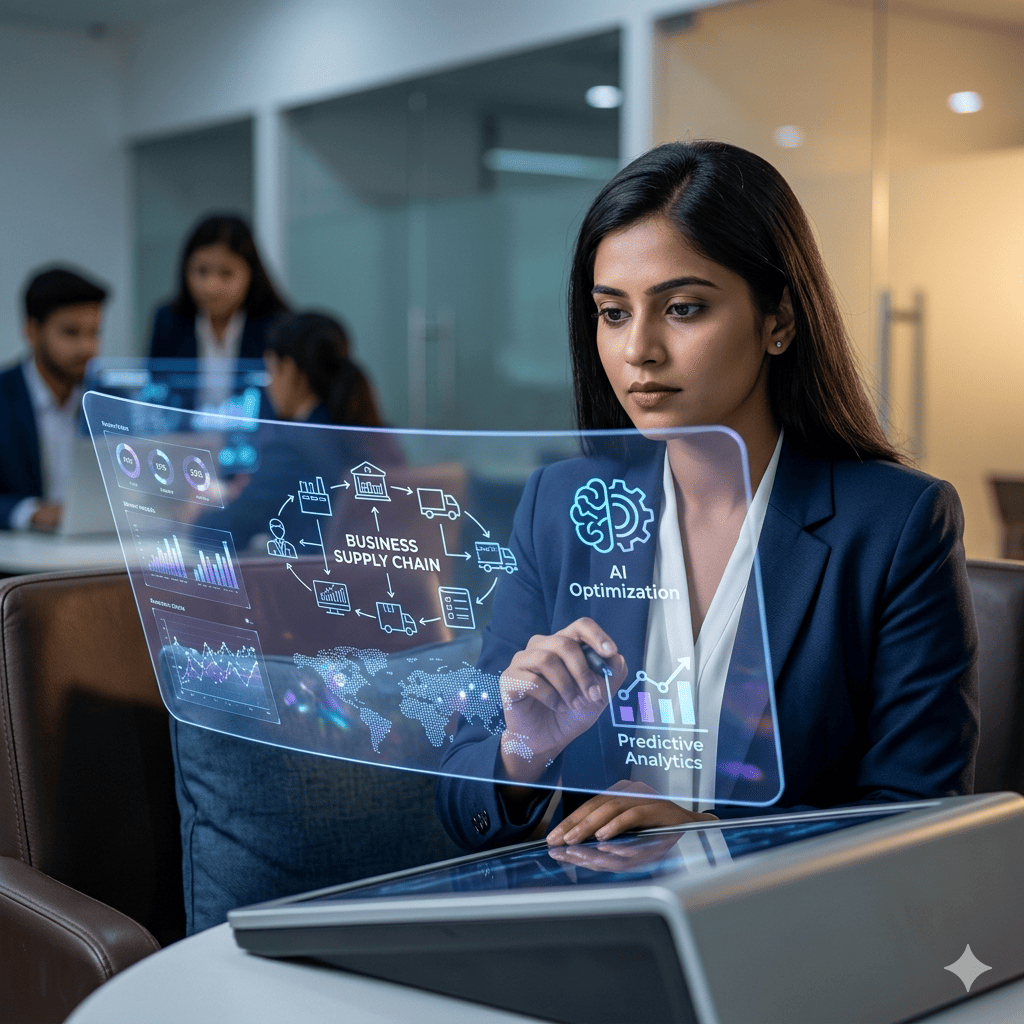
From the very first semester, students are introduced to how cloud computing, artificial intelligence, and blockchain are reshaping supply chains, marketing, and finance. This ensures that the "experience" of a PGDM is not just about reading static textbooks, but about solving real-time problems using the most powerful tools available in 2026.
Bridging the Gap: Technology-Integrated Management Education
One of the most significant shifts in recent years is the move toward technology-integrated management education. This isn't just about having high-speed Wi-Fi; it’s about a fundamental change in pedagogy that prepares students for a digitized workforce.
1. Immersive Learning through AR and VR
Imagine learning about global supply chain management not by looking at a map, but by putting on a VR headset and virtually walking through a highly automated warehouse. Technology-integrated management education uses Augmented and Virtual Reality to bring complex scenarios to life, allowing students to practice high-stakes decision-making in a risk-free environment.
2. Data-Driven Decision Making
In 2026, a manager who cannot interpret a data dashboard is at a disadvantage. Modern PGDM programs integrate platforms like Tableau and Power BI directly into their coursework. Students learn to move beyond "gut feeling" and instead use predictive analytics to forecast market trends.
Mastering Future Skills for PGDM Students 2026
As we look toward the end of the decade, the checklist for career success has changed. Career growth after PGDM 2026 consists of the following skills that are a blend of emotional intelligence and technical fluency.
The "Power Skills" of the New Decade
-
AI Literacy: Using Generative AI to optimize workflows and automate administrative tasks.
-
Cybersecurity Awareness: Knowing how to protect organizational data in a digital world.
-
Adaptive Thinking: The ability to pivot business strategies as new technologies emerge.
By focusing on these future skills for PGDM students 2026, institutes ensure their graduates aren't just job-seekers, but "future-proof" assets.
The Impact of Industry 4.0 Skills on Modern Management
We are currently in the fourth industrial revolution. Developing Industry 4.0 Skills is no longer optional. These skills involve understanding the synergy between physical assets and digital technologies like the Internet of Things (IoT) and machine learning.
In a tech-enhanced PGDM experience, students work on projects that mimic "Smart Factories." This exposure helps them understand how to manage human-machine collaboration. By mastering Industry 4.0 Skills, students learn to oversee complex systems where humans and algorithms work side-by-side.
Redefining Logic with AI-Powered Case Studies
While the logic of the case study method remains sound, the delivery has evolved. Today, top-tier programs utilize AI-Powered Case Studies to provide a more realistic experience.
What makes them different?
Traditional cases are static. However, AI-Powered Case Studies are dynamic. They use real-time data feeds and AI simulations to change the variables based on the student's decisions. If a student decides to lower a product's price, the AI immediately calculates the competitor's reaction, creating a "live" learning environment.
The Emergence of Digital Leadership
Ultimately, the goal of a tech-enhanced PGDM is to cultivate Digital Leadership. Being a leader in 2026 requires the ability to inspire teams across virtual borders and manage digital transformation initiatives from start to finish.
Digital Leadership is about having the vision to see how technology can solve human problems. It involves fostering a culture of innovation and ensuring that as a company adopts new tech, it doesn't lose its "human touch." Through a tech-driven PGDM, aspiring managers develop the Digital Leadership necessary to steer organizations through the disruptions of the future.
Essential Read: Leadership and Team Building Skills Developed During PGDM
Conclusion
If you are looking to elevate your career, don't just look for a degree—look for an experience that SITASRM Institute of Management & Technology will provide. A tech-driven PGDM doesn't just teach you how to manage a business; it teaches you how to lead a revolution. As you build your future skills for PGDM students 2026, remember that technology is the tool, but your vision is the driver. Embrace the digital shift, and watch your career trajectory reach new heights.
Table Of Content
- Loading...
